
Atlanta DUI Checkpoints in Buckhead: What Officers Look For and Your Options After
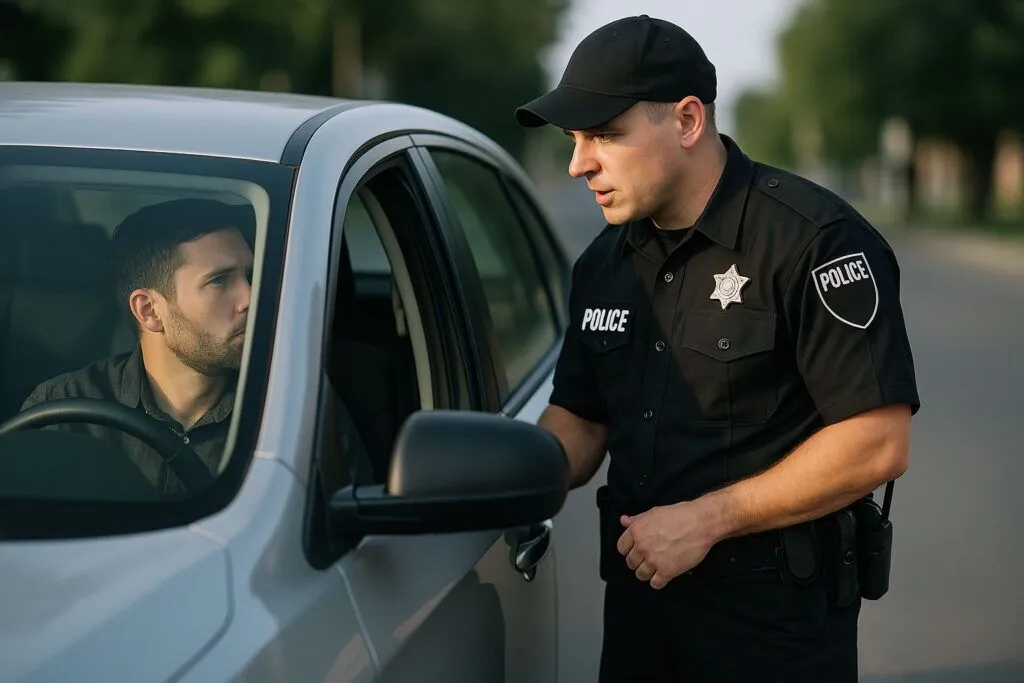
Atlanta DUI Checkpoints in Buckhead: What Officers Look For and Your Options After Every year, the Georgia Department of Public Safety and local police forces set up DUI checkpoints across the state, and the Buckhead corridor—spanning Peachtree Road, Roswell Road, and Piedmont Road—is a high‑traffic zone for these operations. Understanding how checkpoints are planned, what officers scrutinize, and what the legal process looks like can be the difference between a smooth NHTSA field‑sobriety test and an arrest that leads to a suspended license or worse.
How Buckhead Checkpoints Are Planned
1. Legal Framework – Checkpoints must comply with the Georgia Constitution and U.S. Supreme Court rulings. Officers are permitted to stop vehicles for a brief, non‑discriminatory inspection if the checkpoint is announced and the stop is brief.
2. Location & Timing – The state consults traffic studies to choose spots with high DUI incidence. In Buckhead, authorities often set up checkpoints on the busy northbound and southbound lanes of Peachtree, Roswell, and Piedmont during weekend evenings and early morning weekday drives.
3. Resource Allocation – Officers, a traffic marshal, a medic, and a data recorder are assigned. Dashcams and body‑cams are turned on; the data captured is later reviewed by the Georgia Bureau of Investigation or the local police’s forensic division.
Typical Signs Officers Watch For
During the brief stop, officers look beyond the mandatory paperwork. Key indicators include:
- Lane Position – Cutting lanes, drifting, or not staying in a lane can raise suspicion.
- Odor – Strong alcohol or drug scent, even if you’re not the driver, can trigger a deeper inspection.
- Admittance or Reactions – Verbal or physical signs that the reporter is under the influence (e.g., slurred speech, stumbling).
- Vehicle Condition – Unusual stains, overturned cups, or the presence of a full bottle.
The Step‑by‑Step Flow from Contact to Arrest
- Initial Contact – Officer stops the vehicle, asks for ID and permits, and records the stop on the dashboard video.
- Pre‑Check Questioning – Driver is asked simple questions (e.g., “How did you get here?”). A refusal or evasive answer may prompt a field‑sobriety test.
- NHTSA Field‑Sobriety Tests – If the officer has reasonable suspicion, they’ll administer the Horizontal Gaze Nystagmus (HGN), the Walk and Turn test, and the One‑Leg Stand (OLS). Each test has a 50 % error rate; the officer must be able to identify at least one abnormality for a probable cause conviction.
- Breathalyzer or Blood Test – If the officer obtains probable cause, a breathalyzer is administered. A result of 0.08 % or higher confirms a DUI.
- Arrest & Booking – If the driver fails the breathalyzer or refuses the test, the officer may arrest them. The driver is then transported to a local jail while the dash‑cam footage is reviewed.
- Administrative License Suspension – The driver’s license is automatically suspended while the state processes the case. An Administrative License Suspension (ALS) hearing is usually scheduled within 30–45 days.
Field‑Sobriety Testing Limits According to NHTSA
The National Highway Traffic Safety Administration emphasizes that each test is fallible. The HGN test requires a 50 % error rate threshold; the Walk and Turn and One‑Leg Stand tests also have a 50 % mistake probability. For a conviction, an officer must confirm at least one abnormality for each test with at least 50 % certainty. This standard is crucial when you argue that the tests were improperly administered or that the officer’s confidence was unwarranted.
Dashcams and Body‑Cams: How They Influence the Outcome
Both camera types provide an objective record of the encounter. Dashcams capture the interaction from the driver’s viewpoint, while body‑cams show the officer’s actions. If a dash‑cam shows a driver refusing to comply or the officer using inappropriate language, that footage can be used to challenge the legality of the stop or the accuracy of the field‑sobriety tests. James Yeargan advises clients to request the footage before any legal action is taken, as it can be a powerful piece of evidence.
Refusal vs. Breath Results: How They Affect Your Case
- Refusal – Refusing a breathalyzer typically leads to an automatic arrest and an administrative license suspension. The state may later use the refusal as evidence of guilt, but a meticulous defense can argue that the refusal was based on legal rights and that the officer’s suspicion was insufficient.
- Positive Breath Test – A 0.08 % or higher result is nearly irrefutable. However, errors in the calibration of the breathalyzer, contamination of the sample, or procedural mistakes can still open the door for a credible defense.
Administrative License Issues & Timelines
After a DUI arrest in Buckhead, the driver’s license is suspended immediately. The key steps:
- Notice – You receive a notice of suspension and are given the date for the ALS hearing.
- ALS Hearing – Usually scheduled within 30 days. Failure to appear can result in a “No‑Show” suspension, extending the ban by 12 months.
- License Restoration – If you win the ALS hearing, you can restore your license by paying the suspension fee and completing any required alcohol treatment or community service.
Potential Defenses to Explore
Each DUI case is unique, but common defenses include:
- Inadequate evidence of impairment (e.g., low BAC but no field‑sobriety test failures).
- Procedural errors—failure to follow NHTSA protocols, improper calibration of breathalyzer.
- False or misleading information provided by the officer.
- Excessive use of force or violation of the Fourth Amendment during the stop.
James Yeargan has successfully helped clients overcome these challenges, ensuring that each defense is tailored to the specifics of the Buckhead checkpoint encounter.
What to Do the Morning After a Checkpoint Stop
- Check your dash‑cam and body‑cam footage if possible.
- Contact a DUI attorney within 24 hours to review the evidence.
- Keep copies of all documents—stop notice, arrest report, breathalyzer results.
- Do not discuss the case with anyone other than your attorney.
- Follow any instructions regarding alcohol treatment or community service.
- Schedule your ALS hearing promptly and prepare your statement.
Call to Action
If you’ve been stopped at a Buckhead DUI checkpoint or suspect you may face a DUI charge, you need experienced legal representation that understands every nuance of Georgia’s DUI law. James Yeargan specializes in DUI defense, licensing hearings, and protecting your rights from the moment you are stopped in Buckhead to the conclusion of your case.
Don’t wait—contact James Yeargan today for a free, confidential consultation.
How Buckhead Checkpoints Are Planned
1. Legal Framework – Checkpoints must comply with the Georgia Constitution and U.S. Supreme Court rulings. Officers are permitted to stop vehicles for a brief, non‑discriminatory inspection if the checkpoint is announced and the stop is brief.
2. Location & Timing – The state consults traffic studies to choose spots with high DUI incidence. In Buckhead, authorities often set up checkpoints on the busy northbound and southbound lanes of Peachtree, Roswell, and Piedmont during weekend evenings and early morning weekday drives.
3. Resource Allocation – Officers, a traffic marshal, a medic, and a data recorder are assigned. Dashcams and body‑cams are turned on; the data captured is later reviewed by the Georgia Bureau of Investigation or the local police’s forensic division.
Typical Signs Officers Watch For
During the brief stop, officers look beyond the mandatory paperwork. Key indicators include:
- Lane Position – Cutting lanes, drifting, or not staying in a lane can raise suspicion.
- Odor – Strong alcohol or drug scent, even if you’re not the driver, can trigger a deeper inspection.
- Admittance or Reactions – Verbal or physical signs that the reporter is under the influence (e.g., slurred speech, stumbling).
- Vehicle Condition – Unusual stains, overturned cups, or the presence of a full bottle.
The Step‑by‑Step Flow from Contact to Arrest
- Initial Contact – Officer stops the vehicle, asks for ID and permits, and records the stop on the dashboard video.
- Pre‑Check Questioning – Driver is asked simple questions (e.g., “How did you get here?”). A refusal or evasive answer may prompt a field‑sobriety test.
- NHTSA Field‑Sobriety Tests – If the officer has reasonable suspicion, they’ll administer the Horizontal Gaze Nystagmus (HGN), the Walk and Turn test, and the One‑Leg Stand (OLS). Each test has a 50 % error rate; the officer must be able to identify at least one abnormality for a probable cause conviction.
- Breathalyzer or Blood Test – If the officer obtains probable cause, a breathalyzer is administered. A result of 0.08 % or higher confirms a DUI.
- Arrest & Booking – If the driver fails the breathalyzer or refuses the test, the officer may arrest them. The driver is then transported to a local jail while the dash‑cam footage is reviewed.
- Administrative License Suspension – The driver’s license is automatically suspended while the state processes the case. An Administrative License Suspension (ALS) hearing is usually scheduled within 30–45 days.
Field‑Sobriety Testing Limits According to NHTSA
The National Highway Traffic Safety Administration emphasizes that each test is fallible. The HGN test requires a 50 % error rate threshold; the Walk and Turn and One‑Leg Stand tests also have a 50 % mistake probability. For a conviction, an officer must confirm at least one abnormality for each test with at least 50 % certainty. This standard is crucial when you argue that the tests were improperly administered or that the officer’s confidence was unwarranted.
Dashcams and Body‑Cams: How They Influence the Outcome
Both camera types provide an objective record of the encounter. Dashcams capture the interaction from the driver’s viewpoint, while body‑cams show the officer’s actions. If a dash‑cam shows a driver refusing to comply or the officer using inappropriate language, that footage can be used to challenge the legality of the stop or the accuracy of the field‑sobriety tests. James Yeargan advises clients to request the footage before any legal action is taken, as it can be a powerful piece of evidence.
Refusal vs. Breath Results: How They Affect Your Case
- Refusal – Refusing a breathalyzer typically leads to an automatic arrest and an administrative license suspension. The state may later use the refusal as evidence of guilt, but a meticulous defense can argue that the refusal was based on legal rights and that the officer’s suspicion was insufficient.
- Positive Breath Test – A 0.08 % or higher result is nearly irrefutable. However, errors in the calibration of the breathalyzer, contamination of the sample, or procedural mistakes can still open the door for a credible defense.
Administrative License Issues & Timelines
After a DUI arrest in Buckhead, the driver’s license is suspended immediately. The key steps:
- Notice – You receive a notice of suspension and are given the date for the ALS hearing.
- ALS Hearing – Usually scheduled within 30 days. Failure to appear can result in a “No‑Show” suspension, extending the ban by 12 months.
- License Restoration – If you win the ALS hearing, you can restore your license by paying the suspension fee and completing any required alcohol treatment or community service.
Potential Defenses to Explore
Each DUI case is unique, but common defenses include:
- Inadequate evidence of impairment (e.g., low BAC but no field‑sobriety test failures).
- Procedural errors—failure to follow NHTSA protocols, improper calibration of breathalyzer.
- False or misleading information provided by the officer.
- Excessive use of force or violation of the Fourth Amendment during the stop.
James Yeargan has successfully helped clients overcome these challenges, ensuring that each defense is tailored to the specifics of the Buckhead checkpoint encounter.
What to Do the Morning After a Checkpoint Stop
- Check your dash‑cam and body‑cam footage if possible.
- Contact a DUI attorney within 24 hours to review the evidence.
- Keep copies of all documents—stop notice, arrest report, breathalyzer results.
- Do not discuss the case with anyone other than your attorney.
- Follow any instructions regarding alcohol treatment or community service.
- Schedule your ALS hearing promptly and prepare your statement.
Call to Action
If you’ve been stopped at a Buckhead DUI checkpoint or suspect you may face a DUI charge, you need experienced legal representation that understands every nuance of Georgia’s DUI law. James Yeargan specializes in DUI defense, licensing hearings, and protecting your rights from the moment you are stopped in Buckhead to the conclusion of your case.
Don’t wait—contact James Yeargan today for a free, confidential consultation.
“`

Recent Blog's
The 30 Day DDS Countdown: Why Your Timetable is Your Enemy After an Atlanta DUI

The 2026 Car Mandate: Does Your Steering Wheel Have the Right to Prosecute you?

Rental Car Nightmare: It Takes Two Troubles to Rent a Car in Atlanta at Turo or Hertz.
The Sleep It Off Trap: Do the Right Thing and Go To jail