
Ignition Interlock Violations in Georgia: What Counts, What Happens, and How to Avoid Them
Ignition Interlock Violations in Georgia: What Counts, What Happens, and How to Avoid Them
For many Georgia DUI offenders, the ignition interlock device is the price of staying on the road: a breath-test unit wired into your car that you must pass before the engine starts. It is also one of the most violation-prone obligations in the DUI process — many people land in deeper trouble not from a new arrest but from mishandling the device. Understanding what it records, what counts as a violation, and what follows can keep a manageable situation from becoming serious.
How the Device Works
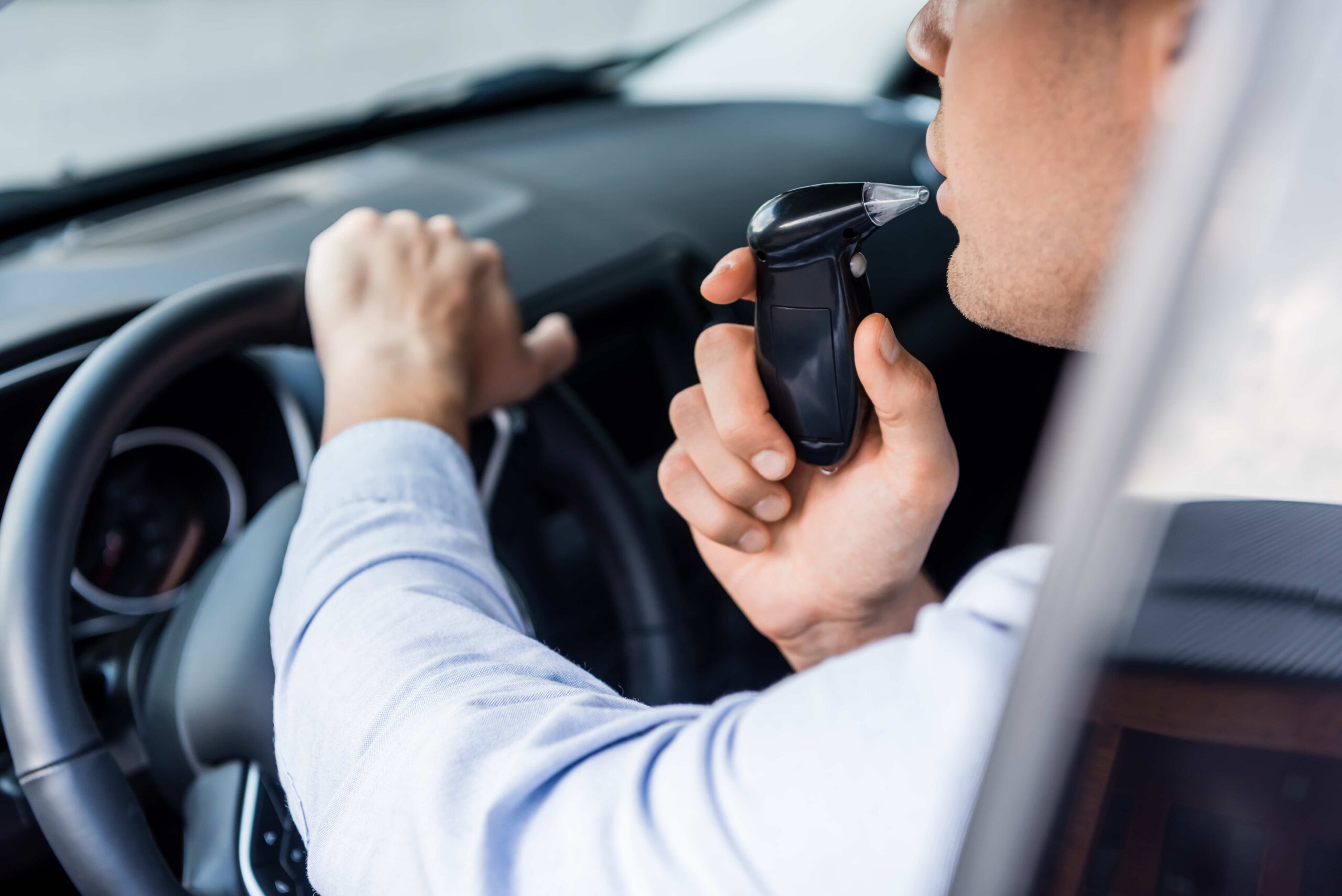
An ignition interlock measures alcohol in your breath through a handheld unit connected to your vehicle’s ignition. Before the engine will start, you provide a breath sample; if the reading is at or above the programmed threshold — typically 0.02 BAC in Georgia programs, far below the 0.08 DUI limit — the vehicle will not start, and the event is logged.
Monitoring continues after startup: at random intervals, the device demands “rolling retests” — another breath sample within a few minutes — to defeat the trick of having a sober person start the car. Most Georgia-approved devices also photograph whoever provides each sample, so the record shows who blew, not just the result.
Every event is stored and uploaded to the provider at your service appointment, typically every 30 to 60 days, and the report goes to the monitoring authority — the court, your probation officer, or the Department of Driver Services.
What Counts as a Violation
Violations fall into four categories, and they are not equal in seriousness.
A failed breath sample is the most common violation: any sample at or above the threshold triggers a lockout, often escalating with repeated fails. An isolated fail from mouthwash can happen to anyone, which is why providers distinguish one-offs from patterns — but repeated fails look like attempted drunk driving, and the report will read that way.
A missed rolling retest is treated seriously even when the driver was sober. If the device calls for a retest and no sample arrives within the window, it logs a violation and may sound the horn until the car is turned off. People miss retests because they did not hear the alert or could not safely respond. The system records the miss regardless of the reason.
Tampering or circumvention is the most severe category: disconnecting the device, having someone else blow, or interfering with the camera. Because the camera documents each sample, having a passenger blow for you is usually captured photographically — among the easiest violations to prove.
Missed calibration or service appointments are the quiet trap. Skip the appointment and many units enter a permanent lockout until serviced, and the missed appointment itself is reported. A purely administrative lapse becomes a compliance violation on your record.
What Happens After a Violation
Consequences depend on who ordered the interlock, but the menu of responses is consistent.
Lockout periods are the immediate, automatic consequence: the device will not let the car start for a set period after failed samples or missed retests. Repeated violations trigger longer lockouts that can strand the vehicle until serviced.
Extension of the interlock term is common. Many Georgia orders provide that violations add months to the total period. A six-month requirement can quietly become nine or twelve months as violations accumulate under the terms of the order.
Probation violation exposure is the serious escalation. If the interlock was a probation condition, reported violations can trigger a revocation hearing, additional fines, community service, or jail time. Judges tend to view interlock violations as a sign the underlying lesson has not landed.
Reporting to the court or DDS can affect driving privileges independently of the criminal case. For drivers in the administrative program, violations can jeopardize a limited driving permit or delay full license reinstatement. The criminal case and licensing consequences run on separate tracks, and a violation can hurt on both at once.
Practical Compliance Tips
Most violations are preventable with consistent habits.
First, treat the threshold as zero. The device triggers far below the DUI limit, so the only safe approach is no alcohol at all before driving. Mouth alcohol from mouthwash or certain foods can cause false positives — wait 15 to 20 minutes after using mouthwash and rinse with water before sampling.
Second, never miss a rolling retest. Keep the radio low enough to hear the alert tone, and answer the first safe moment the call comes. An Atlanta DUI Lawyer who handles interlock compliance issues will tell you missed retests are the most avoidable violation they see.
Third, keep every service appointment. Put them in your phone with two reminders. If you must reschedule, call the provider before the date, not after — a rescheduled appointment is routine, a missed one is a violation.
Fourth, never let anyone else use the device, and never try to start the vehicle without it. The camera and data log make circumvention among the most provable violations in the system, and courts punish deliberate evasion far more harshly than careless mistakes.
Fifth, document anything unusual immediately. If the device malfunctions or registers a fail you believe was false, note the date, time, and circumstances, and contact the provider. A contemporaneous record is far more persuasive than an explanation offered weeks later at a hearing.
The program is strict but survivable: drivers who treat the device with consistent respect usually finish without incident, while those who cut corners discover the device keeps better records than they do. If you face interlock-related allegations, an Atlanta DUI Attorney experienced with Georgia’s interlock rules can review your reports before a minor issue becomes major. For compliance guidance, a DUI Attorney Atlanta drivers recommend can help you finish on schedule — and a DUI Lawyer Atlanta residents rely on for interlock violation defense can help you respond to an alleged violation quickly.

Recent Blog's

Ignition Interlock Violations in Georgia: What Counts, What Happens, and How to Avoid Them

Habitual Violator Status in Georgia: How DUI Convictions Can Cost Your License for Five Years

DUI and Super Speeder in Georgia: When One Traffic Stop Brings Two Punishments
How Long Does a Georgia DUI Case Take? Timelines Explained