Refusing the Georgia DUI Breath Test: Implied Consent and the 30-Day Letter That Can Save Your License

Refusing the Georgia DUI Breath Test: Implied Consent and the 30-Day Letter That Can Save Your License
You are in the back of a police car, and you hear the officer ask you the question: “Will you submit to the state administered chemical test?” Many Georgia drivers are unaware that their response triggers a second legal process, which can result in the suspension of their license for the entire year of the DUI charge, even if the charge is dropped or modified. It is called “implied consent,” and learning about it before you are ever asked to provide a sample is one of the most valuable things a Georgia driver can do.
When Does Implied Consent Apply in Georgia?
Georgia’s implied consent law, found under O.C.G.A. section 40-5-67.1, states that you have already consented to a chemical test (breath, blood or urine) when operating a motor vehicle on Georgia’s roadways upon your arrest for DUI. In the criminal case, the state-administered test is the one that matters. It is not the same as the roadside, voluntary breath test, which is used primarily to determine whether to arrest you. The officer will give you the implied consent notice, and it’s letting you know that refusing the state test will have consequences — an administrative license suspension, separate from your criminal case.
The 30-Day Letter That Can Save Your License
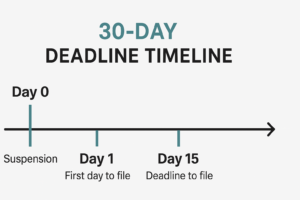
If you refuse, the officer will issue you a DDS Form 1205 — and begin the process of suspending your driving privileges for a year, due to the refusal alone. That paperwork starts a 30-day deadline: within 30 days after you receive personal or mailed notice (the form is typically handed to you at the roadside), you must request an administrative license suspension (ALS) hearing in writing and pay the $150 filing fee to the Department of Driver Services. Miss the deadline and the right to a hearing is lost — the one-year suspension takes effect automatically. An Atlanta DUI Lawyer will explain that the 30-day letter is more pressing than the criminal case itself, because the ALS clock starts moving quickly while the criminal case takes its time.
The ALS hearing covers the following questions: could the officer reasonably believe you were driving while intoxicated and arrest you legally, did the officer properly read you the implied consent notice and consequences, and did you actually refuse the test. The hearing is not a retrial of your DUI — it is very limited. However, the limited focus is what makes it valuable: it is the officer’s first opportunity to give his side of the story, on the record, under oath, months before trial. An Atlanta DUI Attorney who handles refusals sees the ALS hearing as protection for his client’s license, and as an opportunity to get a glimpse into the State’s case.
Do You Have to Refuse or Submit?
This is the question everyone asks, and there is no one-size-fits-all answer. Refusing prevents a breath-test number from falling into the hands of the state — and when there is no number, the prosecution has to come up with proof of impairment based on the officer’s observations, and those are rarely solid. However, a refusal triggers the one-year suspension process, and the refusal itself can be used at trial. The state gets a number when you submit, and if it is below the limit, you can continue to drive while you contest the case, if it is later determined that the test was inaccurate. This is a discussion to have with a DUI Attorney Atlanta drivers have confidence in before, not after, you end up in the back of that police cruiser.
The Ignition Interlock Trap
One pitfall to be aware of: Georgia has an ignition interlock limited driving permit that will allow you to drive during a suspension. However, the law states that obtaining that permit is considered a waiver of your right to the ALS hearing. Never waive the hearing without understanding what you are giving up — once waived, it will not be reinstated.
If You Refused the Test, What Do You Do Next?
If you have that DDS 1205 form in your hand, certain things matter right now:
- Note the date you received the DDS Form 1205 — your 30-day deadline runs from that notice date. You must have this date; if you don’t, you are in trouble.
- Submit the written hearing request and $150 fee to Driver Services before the deadline.
- Don’t request the ignition interlock permit until you have discussed the waiver with counsel.
- Record all the details of the stop while they are fresh: what the officer said, whether the notice was read correctly, and the exact words you used when asked to test.
- Call a DUI Lawyer Atlanta people depend on ahead of time, before the refusal clock runs out.
The Bottom Line
Implied consent puts two fights in one traffic stop: a criminal DUI confrontation and an administrative fight for your license. The second fight does not open without the 30-day letter. Refusing does not mean your case is hopeless — the ALS hearing and the criminal case are separate fights, and both can be challenged. But doing nothing for 30 days means you lose the ALS fight by default. If you have refused a test, the clock is already running.

Recent Blog's
How Long Does a Georgia DUI Case Take? Timelines Explained

Six Questions to Ask Before You Hire a Georgia DUI Lawyer

Georgia’s DUI School: What the Risk Reduction Program Actually Requires

Refusing the Georgia DUI Breath Test: Implied Consent and the 30-Day Letter That Can Save Your License