
How Long Does a Georgia DUI Case Take? Timelines Explained
How Long Does a Georgia DUI Case Take? Timelines Explained
If you ask any Georgia driver who has been through a DUI case how long it took, you’ll get answers ranging from a few months to well over a year. That spread isn’t random — different parts of the case move on different clocks, and understanding the timeline helps you plan your life around it instead of being blindsided by it.
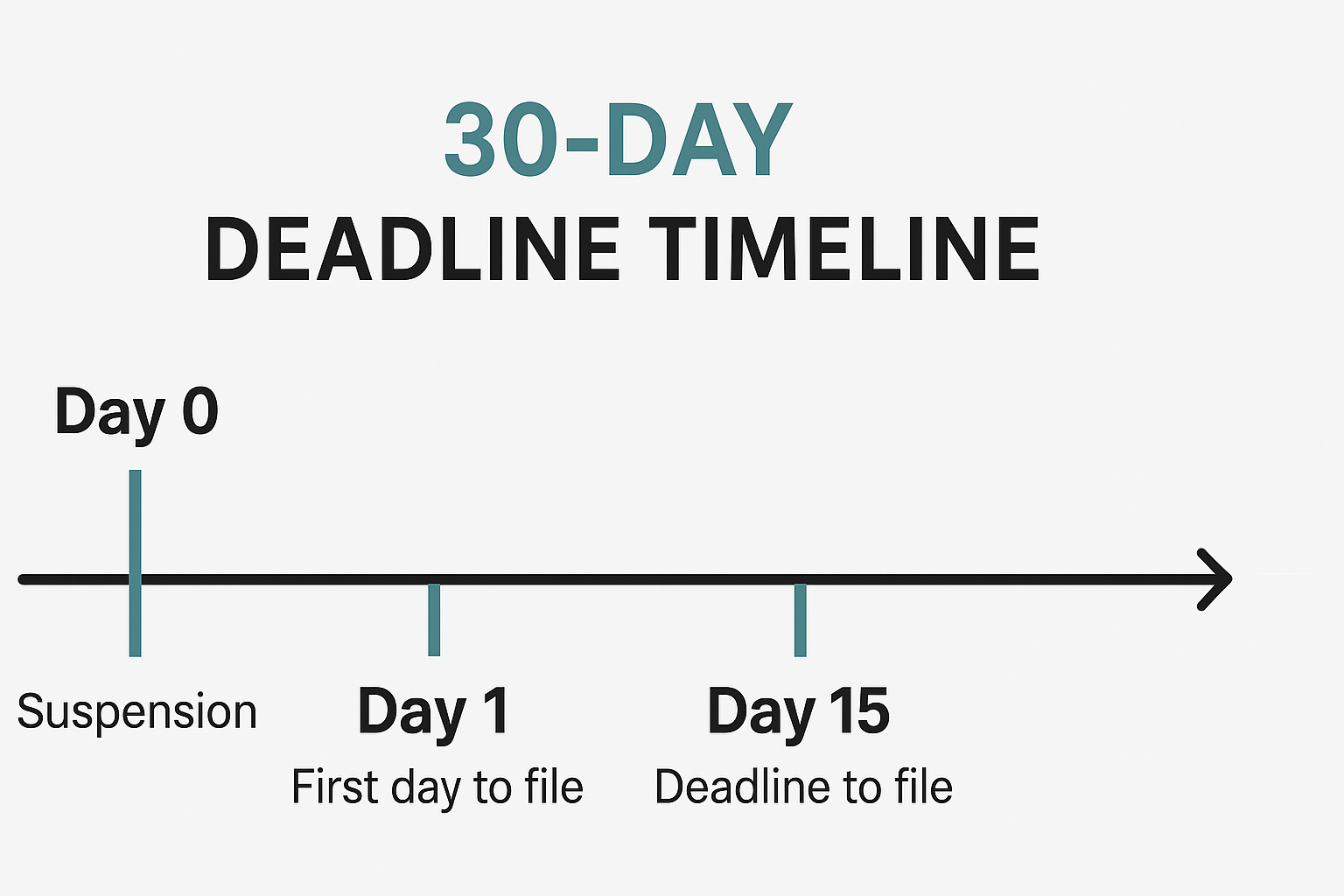
The first clock starts at arrest: your license. Within 30 days of your arrest, you must request a hearing on the administrative license suspension or pursue the ignition interlock permit option. This deadline is measured from the arrest date, and it moves much faster than the criminal case. Many drivers are still in shock during those first 30 days, which is exactly why this deadline catches so many people. Handle it first; everything else can wait a week, but this cannot.
The criminal case begins slowly. The first court date is typically the arraignment, which occurs several weeks after the arrest. You enter a plea at the arraignment, and for most people advised by counsel, that plea is “not guilty,” which keeps every option open. Arraignment is a procedural step, not an event at which anything is decided. If your case involves a blood draw, expect additional delay here: blood results from the state lab routinely take weeks or even months to come back, and the case often cannot move forward meaningfully until they do.
Then comes the middle stretch: discovery and motions. Your lawyer obtains the evidence — the police report, dashcam and bodycam video, breath machine maintenance logs, the 911 call if there was one — and reviews it for defenses. This phase is where cases are often won quietly: a suppression motion challenging an unlawful stop, or a hearing attacking the breath test’s reliability, can end the case months before a trial date. Motions take time to brief, schedule, and argue, which is why this stretch can last several months. It is also the phase where plea negotiations happen, if the evidence does not support dismissal.
Trial is the long pole. If the case does not resolve, it heads toward a jury trial — and court calendars are crowded. Depending on the county, getting a trial date can add many more months. Fulton County and other busy metro Atlanta courts have significant backlogs; smaller counties can move faster. All told, a DUI case that goes to trial commonly spans a year or more from arrest to verdict. That sounds daunting, but time is often the defense’s ally: witnesses’ memories fade, officers transfer, and the state’s urgency to clear the docket can improve negotiating leverage.
A few things can stretch or compress the timeline. Hiring counsel early compresses the front end — the license deadline gets handled, evidence gets preserved. Cases with blood evidence stretch longer than breath-test cases. And your own choices matter: missing a court date (which can trigger a bench warrant) or picking up a new charge will derail any timeline and make everything worse.
The practical takeaway is simple: a DUI case is a marathon with one sprint at the very beginning. The 30-day license deadline is the sprint. Everything after that rewards patience and preparation rather than rushing to “get it over with” — early guilty pleas at arraignment are one of the most common and most regretted mistakes drivers make.
If you were recently arrested, an Atlanta DUI Lawyer can map your specific timeline at the first meeting — the license deadline, the likely court dates, and how long each phase usually takes in the court handling your case. An Atlanta DUI Attorney will also make sure the fast-moving license track does not get lost while the slower criminal track plays out. A DUI Attorney Atlanta drivers rely on treats the calendar as part of the defense strategy, and a DUI Lawyer Atlanta residents trust will tell you honestly when patience is your best move and when speed is.
The case will take as long as it takes. Make the time work for you, not against you.

Recent Blog's
How Long Does a Georgia DUI Case Take? Timelines Explained

Six Questions to Ask Before You Hire a Georgia DUI Lawyer

Georgia’s DUI School: What the Risk Reduction Program Actually Requires

Refusing the Georgia DUI Breath Test: Implied Consent and the 30-Day Letter That Can Save Your License