Safety or Revenue? In this article, the philosophical question of Atlanta DUI checkpoints is raised
Safety or Revenue? In this article, the philosophical question of Atlanta DUI checkpoints is raised
Anyone who drives the lengthy roads of the Atlanta metropolitan area late at night is more than likely familiar with the flashing blue and red lights that signal a police roadblock. These checkpoints are legally authorized, very clearly structured and explicitly lawfully justified by police as an essential instrument in public security. The idea is simple, the driver is stopped at random locations to see if there are any signs of intoxication; if the driver is found to be drunk, then the state takes the driver out of circulation and the other motorists are dissuaded from making the same bad decision. But behind the veneer of safety lies a complicated moral issue that challenges the real intent and implementation of the stops. The argument has to do with a philosophical clash between a government’s responsibility to defend its people and the moral hazard of using the criminal justice system as a revenue machine for cities.
In Georgia, a motorist is not allowed to stop at a roadblock without the police officer’s prior reasonable, articulable suspicion that an offense has been committed. The Fourth Amendment, the right against unreasonable searches and seizures, generally bars such stops in the U.S. Constitution. However, the Supreme Court has made a clear exception for sobriety checkpoints, which it has decided represent a much greater public interest than the temporary trespass on an individual’s right to liberty. To be legally and ethically valid, police departments in Georgia must strictly follow procedural guidelines for this exception to be legally and ethically valid. The roadblock should be approved by supervisory staff, it should not be used for purposes other than general crime suppression, the general public should be informed ahead of time, and the order of vehicles to be screened should be random and predetermined.
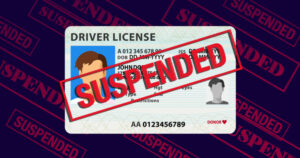
While all these guarantees are constitutional, the actual ethos on the ground can tell a different story. There are people who are against the checkpoint system because of the amount of citations they have produced, and not because of safety. Typical roadblock checks licenses, registration and insurance cards. Many of the citations issued are for what are minor administrative offenses, including an expired tag, broken taillights or driving on a suspended license because of unpaid fees. The penalties, court charges and administrative fees these offences cost local authorities an enormous amount of money. The financial status of a city’s traffic court and the enforcement of traffic laws can become so intertwined an inherent conflict of interest arises.
This battle demands society a very uncomfortable question: How do you determine who is the boss in a war? Are the roadblocks primarily about halting tragic crashes, or are they a legally sanctioned, easy-to-implement device for aggressive tax? When one drunk driving case is arrested, but dozens of small equipment or administrative citations are issued, the moral basis of the stop starts to break down. These minor notices have an unfair impact on lower-income residents who might be on their last dollar to pay for car maintenance or registration. All of this can happen as a result of a random stop by a roadblock for these drivers under the pretense of catching impaired motorists, only to result in fines, license suspensions, and even job loss.
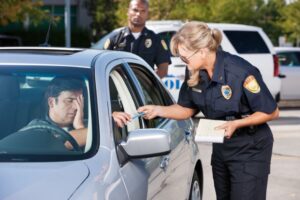
The ‘subjective’ nature of the screening process also raises ethical queries regarding the roadblock. When the driver rolls down his window, the officer has only a few seconds to evaluate if there is plausible evidence to suggest impairment. They’re searching for the aroma of alcohol, fumbling fingers, or the eyes that they would rather not look in the eye. This is a very short subjective screening and innocent motorists are often stopped by cops for secondary screening and given field sobriety tests, which are highly invasive. The stress, anxiety and public embarrassment of being ordered off a car on the side of a busy highway can be quite intense, even for a fully sober driver who is just naturally nervous around cops.
Challenging the state’s narrative is difficult at a checkpoint arrest. That’s where the strategic involvement of an Atlanta DUI Lawyer is essential. An arrest at a roadblock is never a foregone conclusion as the legality of the roadblock depends on the close adherence to constitutional guidelines. A learned Atlanta DUI Lawyer will exhaustively explore the foundational paperwork, supervisory authorization, selection of vehicles, and advance public notice. If the police department didn’t follow any one of the required rules for this operation, then the entire roadblock could be ruled unconstitutional and the evidence that they collected at the stop would be tossed out.
James Yeargan trained extensively in the administration of field sobriety tests and is familiar with the exact parameters law enforcement needs to adhere to when conducting a checkpoint. His history shows that law enforcement officers routinely screw up conducting and structuring these mass enforcement events. If an officer fails to make the proper documentation of the correct procedures, or if a supervisor fails to authorize a stop correctly, any stop that is intended to be an act of good health turns into an act that is unconstitutional.
So the argument over safety versus revenue is probably going to continue as long as there are traffic stops. The state has an obvious moral responsibility to protect the public from drunk drivers, but it also has a “compelling duty” to venerate the constitutional rights of its citizens. If municipalities continue to merge the money they raise with minor traffic tickets into their funding resources for traffic enforcement, then the true purpose of these traffic checkpoints will continue to be a fair subject for ethical debate. The best way for the individual driver to defend himself is to continue to fight relentlessly until the state can convincingly demonstrate that it was the driver’s needs for public safety, not just a way to make ends meet, that were truly on the agenda during that night.
Recent Blog's

Habitual Violator Status in Georgia: How DUI Convictions Can Cost Your License for Five Years
DUI and Super Speeder in Georgia: When One Traffic Stop Brings Two Punishments
How Long Does a Georgia DUI Case Take? Timelines Explained

Six Questions to Ask Before You Hire a Georgia DUI Lawyer