
“Shooting the Hooch” Citations: Navigating Boating Under the Influence (BUI) on the Chattahoochee River
“Shooting the Hooch” Citations: Navigating Boating Under the Influence (BUI) on the Chattahoochee River
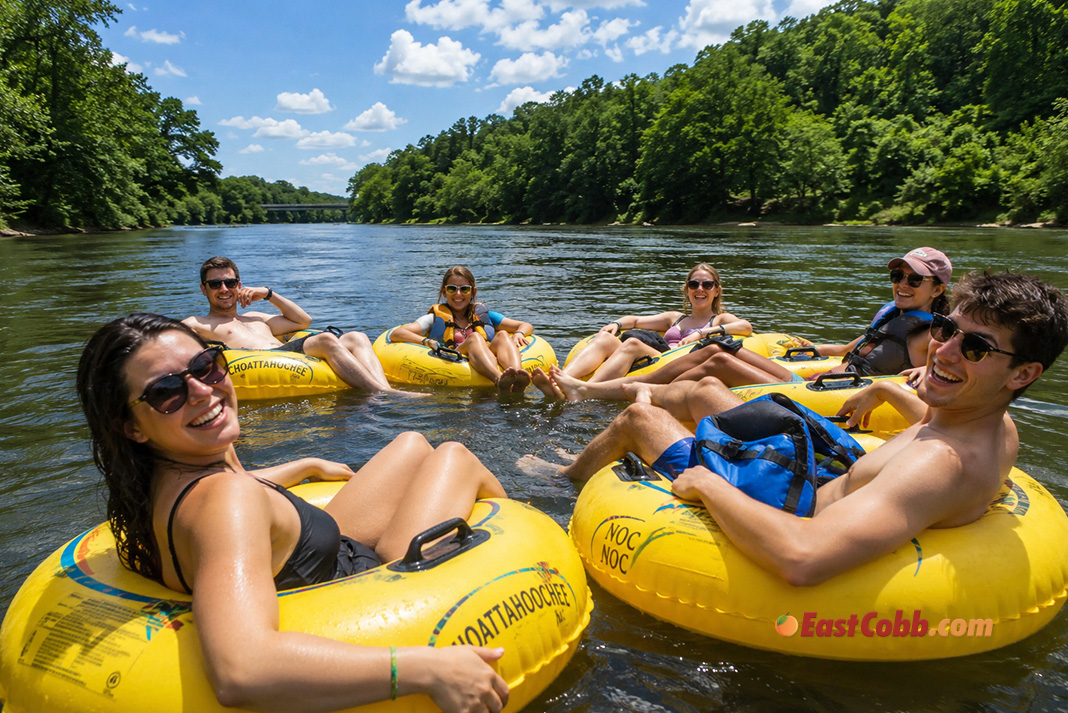
During the summer months, many events in the Atlanta area are centered around getting away from the hot weather and going straight to the water. For generations locals and tourists alike have enjoyed the quintessential pastime of floating down the Chattahoochee River, the coolers, inflatable rafts, and picnic apparatus.Picnic equipment, coolers, and inflatable rafts have been the local and visitor favorite pastime of floating down the Chattahoochee River for generations, affectionately called shooting the Hooch. A day at the office doing nothing but floating down wooded banks and granite outcroppings with no one to give a crap may seem a leisurely distraction from the hustle and bustle of civilization, but the reality of a modern police officer’s day on Georgia’s waterways is quite different. Many weekend floaters think that their state and federal navigation regulations don’t apply to casual river tubing or paddling, resulting in them feeling a false sense of security when it comes to alcohol consumption. The truth is that the Georgia Department of Natural Resources and the local county sheriff’s deputies actively patrol the river corridors and a day of leisure soon can turn into a serious arrest for Boating Under the Influence.
The rules and regulations governing the operation of watercraft in Georgia are more stringent than most are aware, and are comparable to the rules and regulations governing the operation of automobiles. As required by state law, driving a vessel under the influence of alcohol, drugs or toxic fumes is strictly forbidden. Vessels include everything from motorized pontoon boats and jet skis to non-motorized canoes, kayaks and some rafts. A number of changes to the law over the years have created a range of exemptions for simple inflatable tubes that are operated near the shore under specific, narrowly drawn circumstances, but once a floater becomes a watercraft with structure or exits from a restricted channel the law changes significantly. Authorities check for boaters who are driving erratically, causing a public safety issue, or appearing inebriated at take-out areas, park ramps and shallow rapids.
George Stein is the DUI Lawyer.
When you come across a DNR ranger or a marine patrol officer, you are in a very threatening situation of enforcing. Marine checks are conducted on currents or slippery river banks or dock platforms, as opposed to a traditional roadside traffic stop. Officers regularly start the interaction by asking for safety items, such as PFD, whistles or registration. Once an officer smells the scent of booze, hears slurred speech or sees glassy eyes, though, the casual check quickly turns into a thorough BUI investigation. Field sobriety tests are used by marine security service officers to assess sobriety and are often administered on rocky riverbeds or shaky boat docks, thereby placing the individual in an unfavorable position for them to do the tests, even when he or she is sober.
When you get a BUI citation on the Chattahoochee, it has a domino effect. The collateral consequences of a conviction can be devastating and affect your daily life, with heavy fines, forced drug and alcohol evaluation and substance abuse treatment orders and even jail time being just a few. Importantly, a boating under the influence charge in Georgia may also have a negative impact on your driver’s license, and jeopardize your ability to drive for the rest of your life on the road. People often believe that river recreation is exempt from criminal prosecution, leaving many without any idea how to defend themselves against an aggressive prosecutor after a marine citation is issued in Fulton, Cobb or Gwinnett counties.
The Jewkes Firm, LLC
When facing a BUI charge, it’s essential to have a thorough understanding of maritime regulations, procedural due process, and the evidentiary threshold necessary to establish impairment on the water. Police have to have probable cause to stop a vehicle or to conduct chemical testing, and marine field sobriety tests are extremely subjective and difficult to do in wet and dynamic conditions. To sound out constitutional violations, equipment regulations, equipment usage, and the effect of environmental factors such as sun exposure, dehydration, and physical fatigue on the officer’s observations were all thoroughly examined as elements of a defense strategy. These jurisdictions are complex, and requires specialized legal knowledge, so having proven defense representation is of great advantage when facing river citations. An advocate with a strong background in criminal law, like James Yeargan, is an ideal choice to partner with if a relaxing day on the water becomes a complicated criminal case.

Recent Blog's

Habitual Violator Status in Georgia: How DUI Convictions Can Cost Your License for Five Years
DUI and Super Speeder in Georgia: When One Traffic Stop Brings Two Punishments
How Long Does a Georgia DUI Case Take? Timelines Explained

Six Questions to Ask Before You Hire a Georgia DUI Lawyer